Ceramic Pressure Sensor Solutions for Industrial Applications

Ceramic Pressure Sensor Applications

Explore ceramic pressure sensor cores and modules for OEM instruments, water and pump systems, HVAC and refrigeration, and hydraulic and pneumatic equipment. Share your measurement medium, pressure range and integration requirements with ZXW to discuss sensor selection for your application.

Find the Right Sensor for Your Application

Sensor selection starts with your equipment’s operating conditions and integration requirements. Define the measurement medium, pressure range, temperature conditions, available installation space and required electrical output.

Explore the applications below to identify the key selection considerations, then discuss suitable ceramic pressure sensor cores or modules with ZXW.

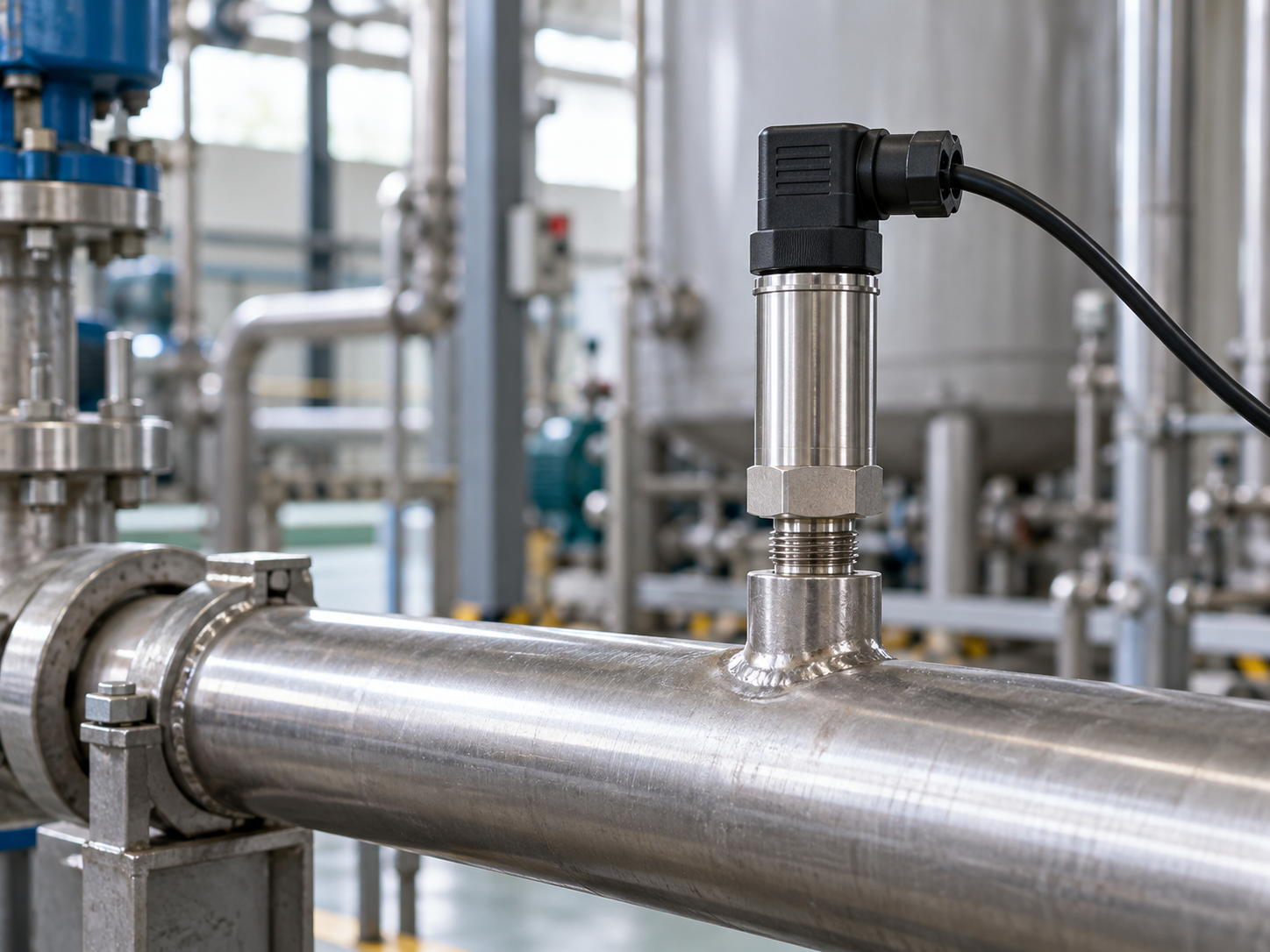
Industrial pressure transmitter mounted on stainless steel process piping

Pressure Transmitters & Process Instruments

When developing a pressure transmitter or OEM instrument, consider how the sensing element will fit your mechanical design and electronics. Evaluate ZXW ceramic pressure sensor cores and modules against your installation dimensions, pressure requirements and electrical interface to identify options for integration testing.

  • Mechanical Fit and Sealing

    Check the sensor dimensions, mounting arrangement and sealing design against your instrument housing.

  • Pressure and Temperature Requirements

    Define the measurement range, potential overpressure and operating temperatures before comparing models.

  • Electrical Integration

    Confirm the supply requirements, signal characteristics and connections needed by your electronics.

Water Treatment & Pump Systems

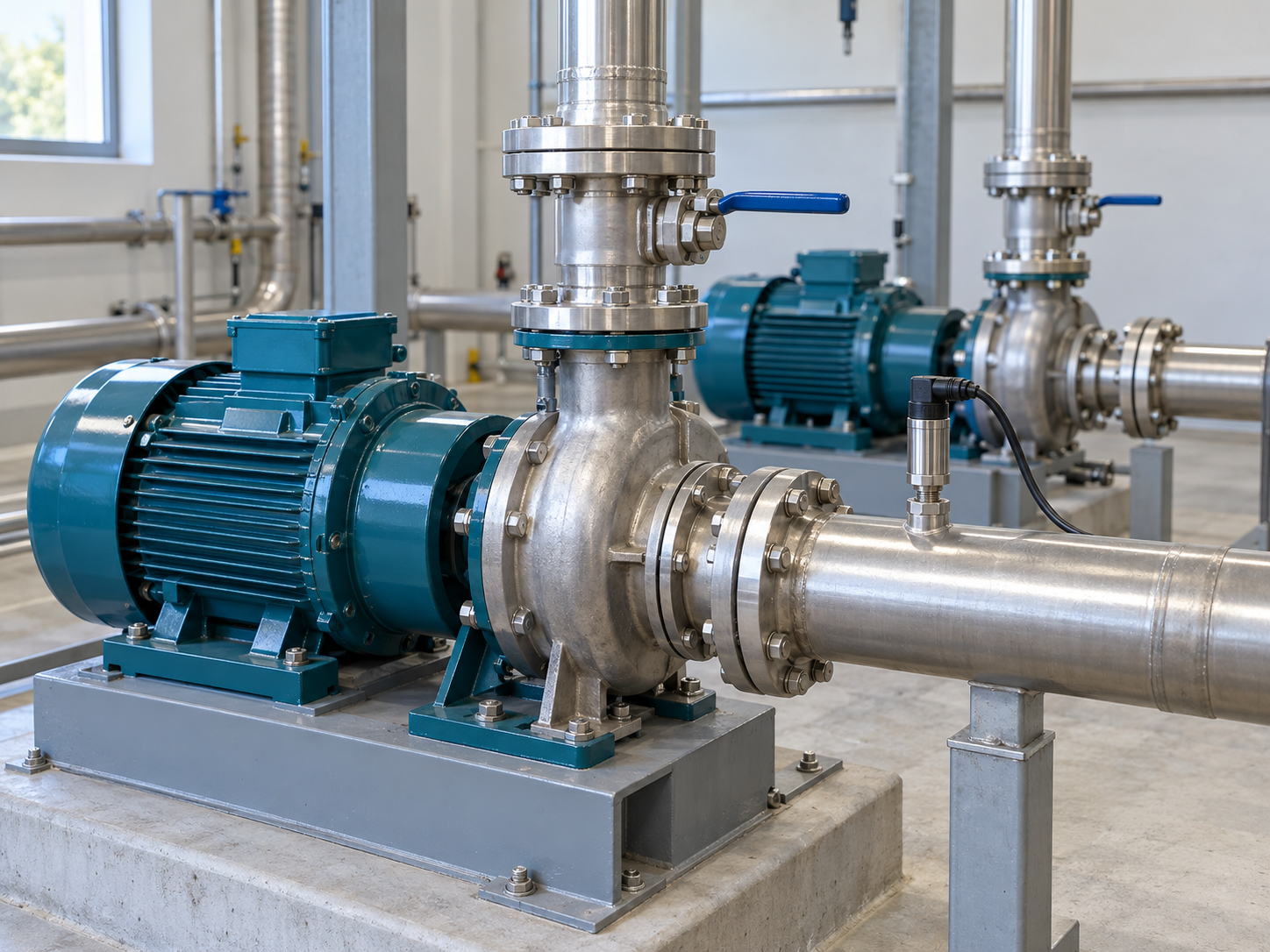
For water treatment and pump equipment, start by defining where pressure will be measured and the conditions at that point. Share your medium composition, working pressure, temperature and installation requirements with ZXW to evaluate ceramic pressure sensor cores or modules for your equipment.

  • Measurement Medium and Sealing

    Specify the water composition and any treatment chemicals, then review compatibility with the sensor’s wetted parts and sealing materials.

  • Working Pressure and Transients

    Provide the normal pressure range and any expected pressure peaks during pump startup, shutdown or valve operation.

  • Equipment Integration

    Define the installation space, mounting arrangement and electrical interface required by your equipment’s control electronics.

Industrial water pump system with a pressure transmitter on stainless steel piping
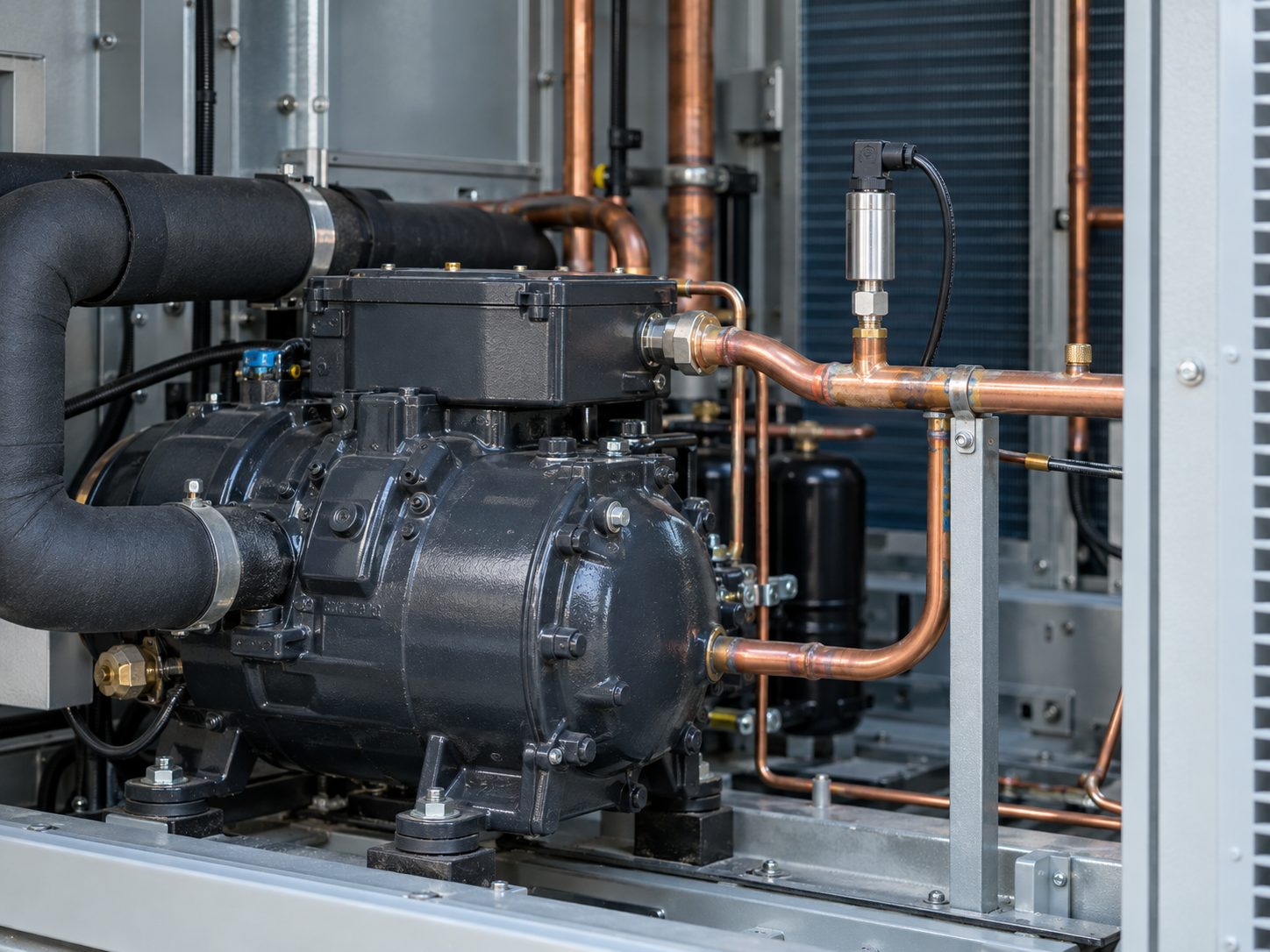
Refrigeration compressor with a pressure transmitter mounted on copper piping

HVAC & Refrigeration Equipment

For HVAC and refrigeration equipment, begin with the measurement point and working medium. Tell ZXW whether your project involves a heating or cooling water circuit, a refrigerant circuit, or another pressure measurement location. Provide the operating conditions and integration requirements to evaluate suitable ceramic pressure sensor cores or modules.

  • Medium Compatibility

    Identify the specific water mixture or refrigerant, including relevant additives or lubricants. Confirm compatibility with the selected model’s wetted parts and seals.

  • Pressure and Temperature Conditions

    Provide the pressure range and medium temperatures during normal operation, startup and shutdown, together with any expected pressure peaks.

  • Installation and Control Interface

    Define the available space, mounting and sealing arrangement, supply requirements and signal interface for your equipment’s controller.

Hydraulic & Pneumatic Equipment

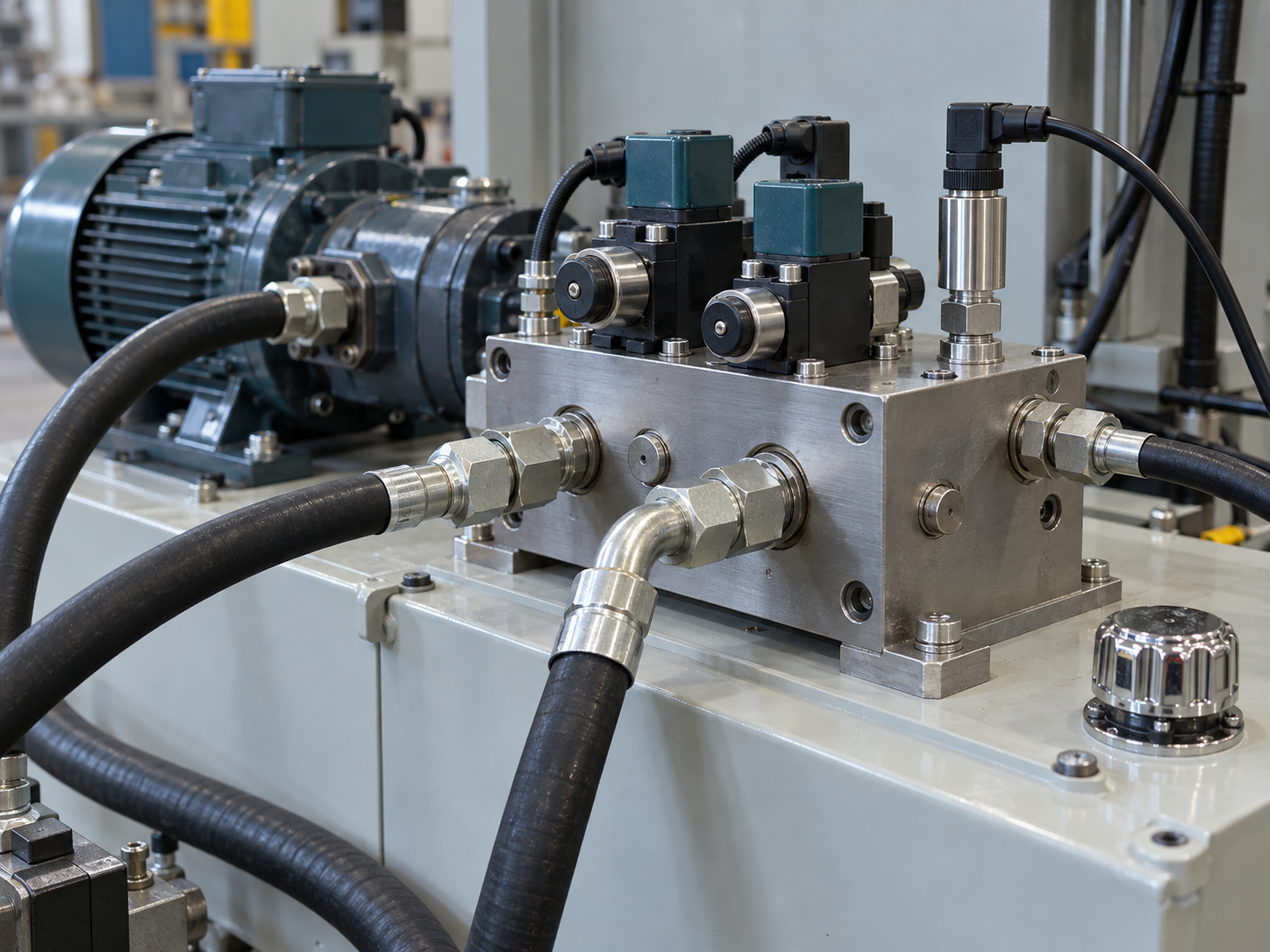
For hydraulic and pneumatic equipment, define the pressure measurement point, working medium and operating cycle before selecting a sensor. Share your fluid or gas specifications, pressure conditions and integration requirements with ZXW to evaluate ceramic pressure sensor cores or modules for your equipment.

  • Working Medium and Sealing

    Specify the hydraulic fluid or compressed gas, including relevant additives, moisture or oil content. Review compatibility with the selected model’s wetted parts and seals.

  • Pressure Cycles and Response Requirements

    Provide the normal pressure range, expected peaks, frequency of pressure changes and required response time for your measurement task.

  • Mechanical and Electrical Integration

    Define the mounting location, available space, sealing arrangement and electrical connection. Include temperature and vibration conditions at the installation point.

Hydraulic power unit with a pressure transmitter and connected hydraulic hoses

What to Define Before Selecting a Sensor

Prepare the following information to help ZXW review your application and compare sensor options. Share the requirements you already know, and include drawings or specifications where available. If some details are still undecided, indicate them in your inquiry.

RequirementInformation to Provide
Equipment and Measurement Point Describe the equipment, the sensor’s installation point and the purpose of the pressure measurement.
Measurement Medium Identify the liquid or gas, including relevant additives, lubricants or other constituents.
Pressure Conditions Provide the normal measurement range, expected pressure peaks and required pressure reference: gauge, absolute or differential.
Temperature Conditions Specify the medium and ambient temperature ranges at the installation point.
Installation and Sealing Share the available space, mounting dimensions, sealing arrangement and relevant drawings.
Electrical Requirements Define the available supply, required output signal and connection to your electronics.
Performance Requirements State the required accuracy, response time and any other acceptance criteria, with test conditions where available.
Project and Purchasing Requirements Indicate the development stage, sample quantity, estimated order volume and target schedule.

Sensor Cores, Modules and Integration Support

Explore ZXW sensor cores and modules according to your equipment design. Review the specifications of individual models, or share your mechanical and electrical requirements to discuss product selection and application-specific development.

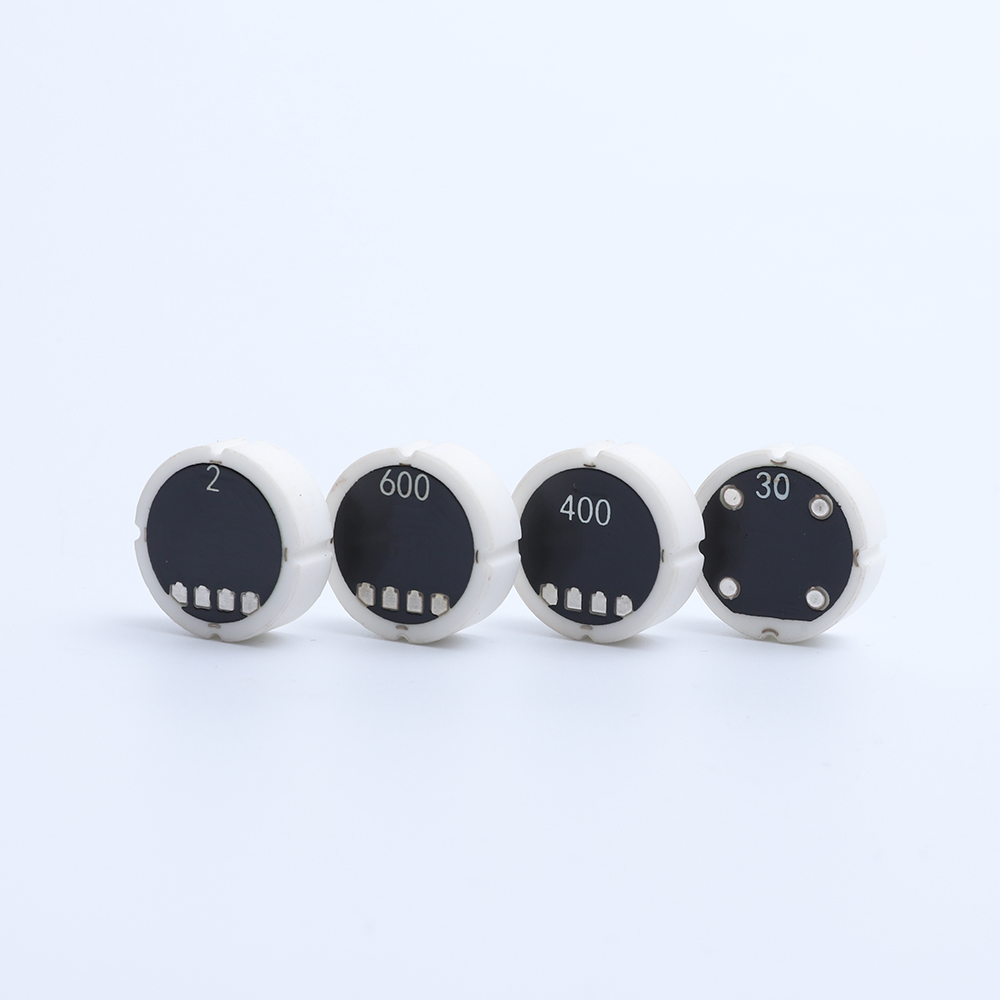
Ceramic pressure sensor cores with electrical contact pads

Ceramic Pressure Sensor Cores

Review core dimensions, diaphragm structure and electrical specifications when selecting a sensing element for integration into your own mechanical assembly and electronics.

Explore Sensor Cores

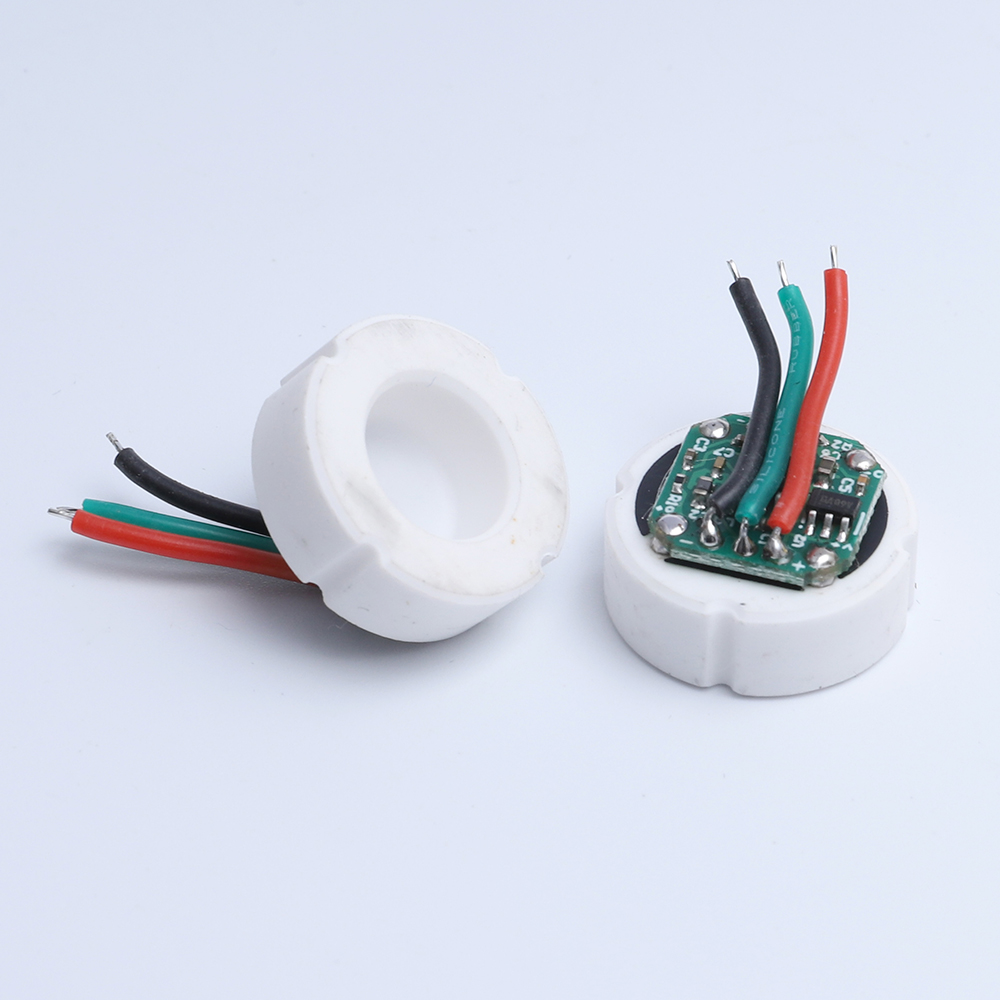
Ceramic pressure sensor modules showing a circuit board and connection wires

Ceramic Pressure Sensor Modules

Compare the supply requirements, output signals, connections and dimensions of individual modules against your equipment design. Confirm the functions provided by the selected model before integration.

Explore Sensor Modules

Have Specific Integration Requirements?

Share your housing drawings, circuit requirements and operating conditions with ZXW to discuss suitable product options and any development needs.

Application and Selection FAQs

Find answers to common questions about sensor selection, equipment integration and preparing your application requirements.

Start with the measurement medium, pressure range, temperature conditions and installation requirements. Then compare the mechanical and electrical specifications of individual models. Share these details with ZXW, together with any drawings or performance requirements, to discuss suitable options.

The choice depends on how you plan to integrate pressure sensing into your equipment. Review a core’s specifications against your mechanical assembly and electronics. For a module, check its dimensions, supply, output and connections, and confirm which functions the specific model provides.

Provide the specific liquid or gas, its composition and operating temperature. Include relevant additives, refrigerants or lubricants. Compatibility should be reviewed for all parts exposed to the medium, including the sensing surface, seals and other wetted components of the assembled device.

Yes. Describe your equipment and pressure measurement task, then share the requirements you already know. Include drawings or specifications if available, and mark any undecided details. You do not need to identify a model before discussing your application with ZXW.

Include your sample request, preferred specifications, quantity and planned tests in the inquiry. ZXW can then confirm available sample options and delivery arrangements for your project. Evaluate the selected product in your own assembly under the intended operating conditions.

ZXW Form
Scroll to Top

Request a Quote

Tell us what you need and we’ll get back to you within one business day.

ZXW Form